





I recently had the pleasure of speaking at an ASUGMEX InfoDay in Mexico City, together with SAP, about a topic that is becoming increasingly important for SAP customers: how to govern SAP licensing in 2026.
For many years, SAP licensing was mainly treated as an audit topic. Once a year, companies prepared their system measurement, reviewed user classifications, checked their contracts, and hoped that no unpleasant surprises would appear in the audit results.
But this is no longer enough.
SAP licensing has changed. The commercial models have changed. The technology landscape has changed. And with RISE with SAP, S/4HANA, BTP, Digital Access, APIs, AI consumption, and cloud subscription models, licensing has become much more connected to business strategy, IT architecture, and financial planning.
That was the main message I wanted to bring to the ASUGMEX audience: SAP licensing is no longer just about compliance. It is about governance.
In the session, we discussed seven licensing developments that SAP customers should pay close attention to in 2026:
Commit to Consume, the new API policy, Digital Access for retail companies, AI consumption, BTP, the movement from activity-based to authorization-based user licensing, and FUE sizing for RISE with SAP.
Each of these topics can have a direct financial impact. More importantly, they are connected. A decision about APIs may influence integration costs. A decision about authorizations may influence your future user license demand. A decision about RISE with SAP may influence infrastructure sizing and long-term subscription costs.
This is why I believe companies need to move away from isolated license reviews and toward continuous SAP license governance.
In practice, this means understanding what you own, what you use, what you consume, and what you are likely to need in the future. Without this transparency, you are negotiating in the dark.
It is a financial exposure, not just a licensing or audit risk.
.png)
One of the main topics we covered was Digital Access.
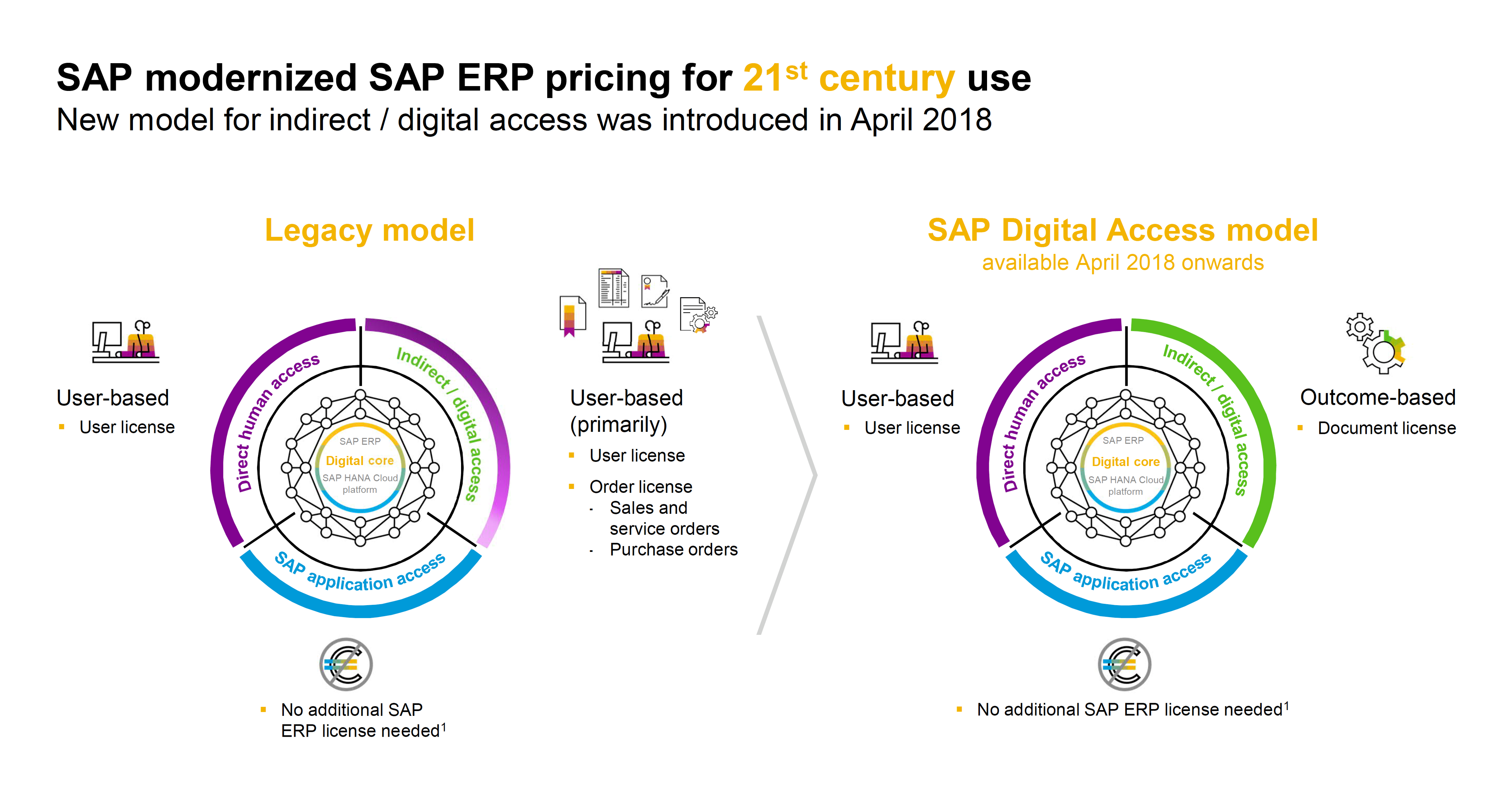
Although Digital Access has been discussed for several years, I still see many customers struggling with the same questions:
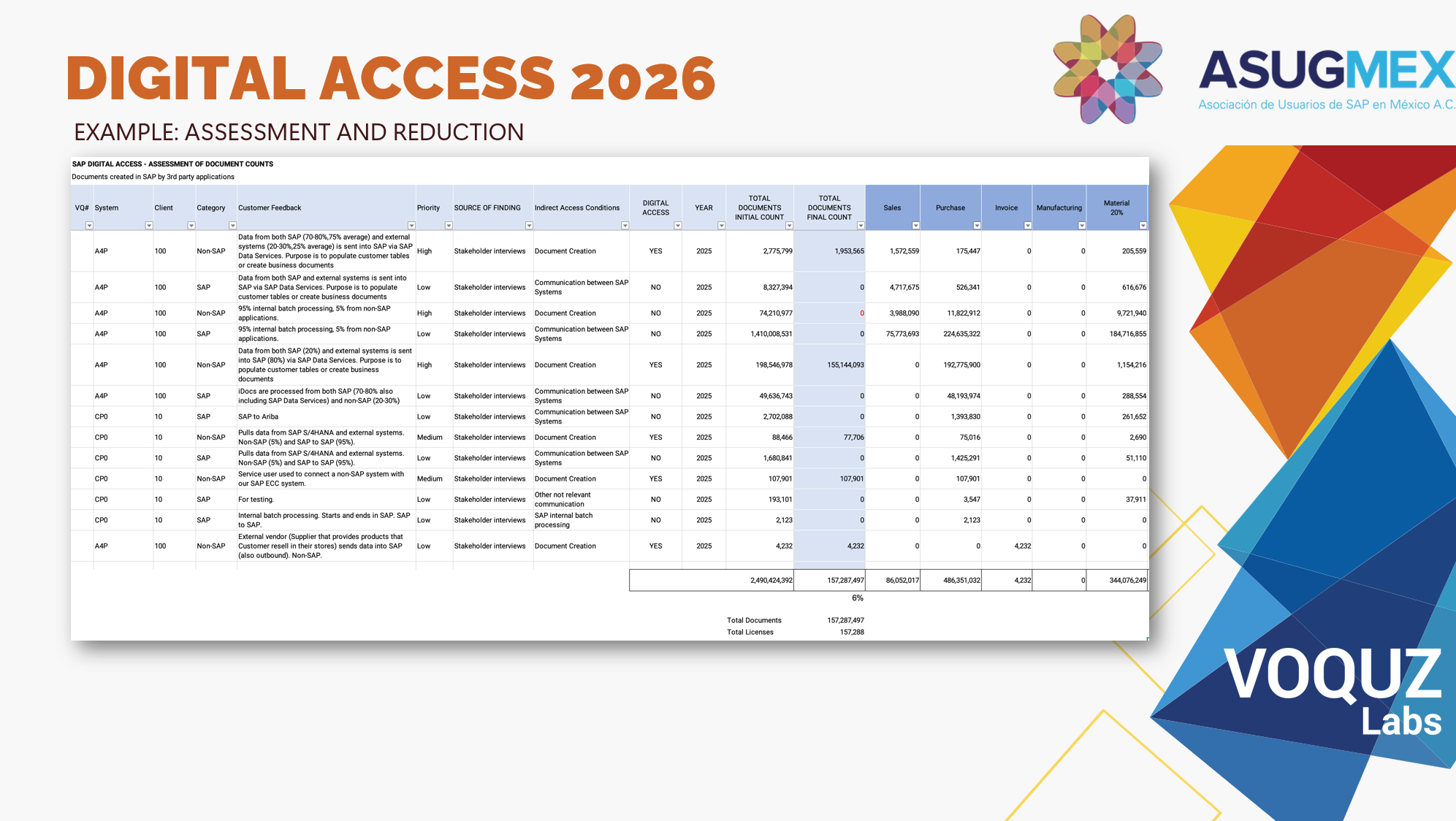
This is important because Digital Access is not a simple technical measurement. It is an assessment.
Yes, SAP tools can provide document counts. But those numbers need to be interpreted. You need to understand the interfaces, the origin of the documents, the business process behind them, and whether the scenario is really relevant for Digital Access licensing.
In our experience, a proper Digital Access assessment normally includes several steps:
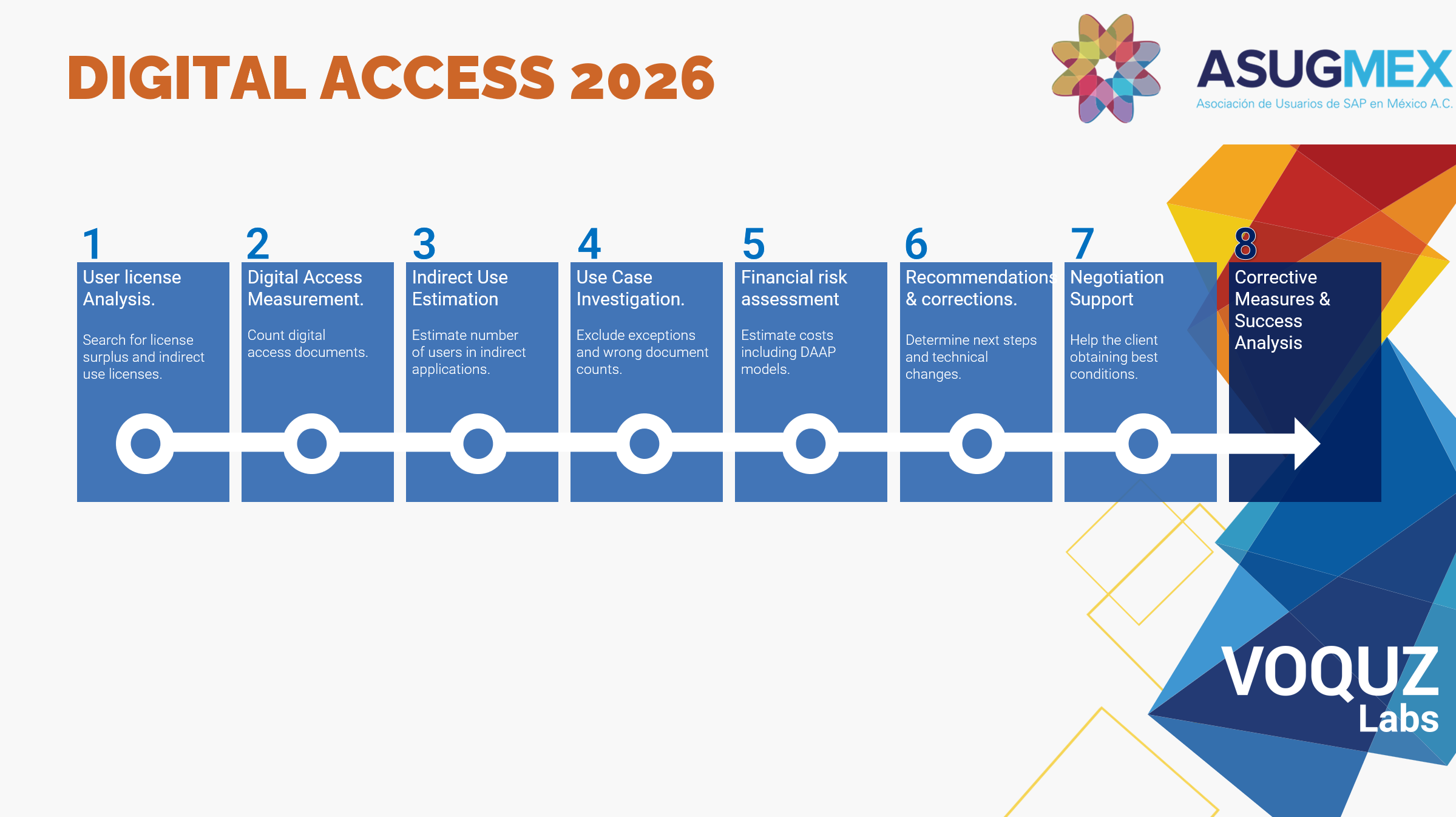
Why is this worth the effort? Because the financial impact can be significant. Depending on the customer environment, Digital Access exposure can range from a manageable amount to several million dollars.
My recommendation is simple: do not go into a Digital Access discussion with SAP without doing your homework first. Validate the numbers. Understand your use cases. Build your argumentation. And make sure you know the financial impact before entering negotiations.
We also spoke about preparation for SAP Cloud ERP and RISE with SAP.
RISE is not just a technical migration. It is not just a procurement exercise either. It is a major commercial and operational decision that can shape your SAP cost structure for many years.
One of the key elements here is the Full User Equivalent, or FUE. Many customers think of FUEs only as user licenses, but in RISE they are more than that. FUEs influence your subscription cost and can also be connected to infrastructure sizing. This makes correct sizing extremely important.
If you buy too many FUEs, you may overpay for years. If you buy too few, you may face additional costs later. If the underlying authorization concept is not clean, the sizing may not reflect what users actually need to do in the system.
This is why I always recommend starting with the current situation. Before discussing the future contract, understand your current license position. Which licenses are really used?
Where do you have shelfware? Which users are overclassified? Which engines are relevant? Which integrations may create Digital Access exposure? Which systems and services are part of your current cost base?
Only then can you compare scenarios properly.
A good RISE business case should include license sizing, FUE simulation, Digital Access evaluation, infrastructure assumptions, service scope, migration costs, and the expected financial development over time.
Without that, it is very difficult to know whether a proposal is good, too expensive, oversized, or missing important elements.
License Management and Financial Governance for SAP

Another important topic was SAP FinOps.
As SAP landscapes become more cloud-based and consumption-driven, companies need better financial control. The old model of checking licenses once a year is not enough when costs can change through cloud consumption, BTP usage, AI services, Digital Access documents, and subscription renewals.
SAP FinOps means bringing together technical usage, contract data, consumption data, and financial impact.
For me, this is one of the most important developments in SAP license management. The question is no longer only: “Are we compliant?” The question is also: “Are we in control of our SAP spend?”
In this context, we are thankful for SAP bringing out some useful consumption measurement tools like SAM4U, SAP for Me, BTP cockpit. These are helpful for customers to analyze single consumption areas – but don’t make wrong assumptions – if you want to gain control of your financial exposure, and financial risks, you will need additional independent FinOps tools such as samQ FinOps. They will also help you tracking changes over time, forecasting future costs, and preparing early for renewals or contract changes.
At VOQUZ Labs, this is exactly why we work with tools such as samQ FinOps. samQ license optimizer helps analyze SAP usage, user licenses, authorizations, S/4HANA and RISE scenarios, and Digital Access. samQ FinOps adds the financial governance layer by consolidating SAP contract, consumption, and cost data into a more complete view of the SAP cost position.
The objective is not only to prepare for audits. The objective is to give SAP customers the transparency they need to make better decisions.
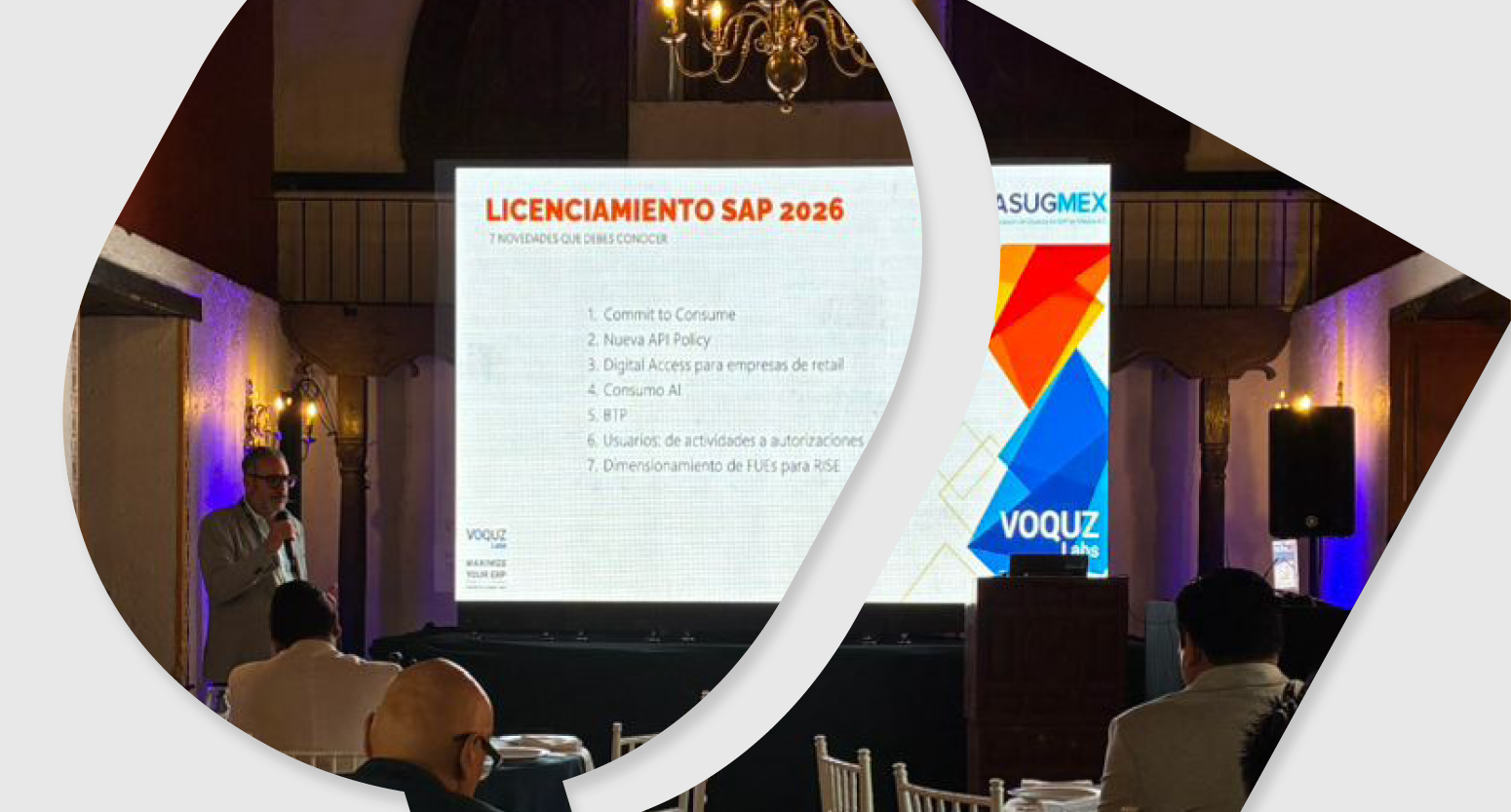
What I appreciated most about the event was its practical focus. The discussions were highly actionable, and the opportunity to exchange knowledge with SAP and its customers was both valuable and enriching.
SAP customers are not asking theoretical questions. They want to know what these changes mean for their contracts, their budgets, their audits, and their transformation projects.
And that is exactly the right approach.
SAP licensing in 2026 will reward companies that are prepared. Companies that understand their current usage, clean up their authorizations, validate Digital Access, build a realistic RISE business case, and monitor consumption continuously will be in a much stronger position.
Companies that wait until the next audit or the next contract renewal may find themselves reacting under pressure.
My advice is clear: treat SAP licensing as a governance topic, not as an annual administrative task.
Build transparency. Challenge assumptions. Understand your data. And make licensing part of your SAP strategy before you enter the next major negotiation.
Because in the new SAP world, cost control does not start with the contract. It starts with knowing exactly what you need.


